

The process of arranging a funeral for a loved one is deeply personal. Every detail matters, and funeral transport is one of the most important parts of the day. It does more than carry the deceased from one place to another. It helps set the tone for the funeral service, supports family and friends, and ensures the final journey is handled with dignity, care and respect.
Choosing the right funeral transport can help families create a fitting tribute that reflects a person’s life, personality and wishes. From a traditional hearse to more unique funeral vehicles, there are many options available. The right choice often depends on the number of mourners, the distance to be travelled, the type of ceremony, and the level of comfort required for close family members.
Funeral Procession
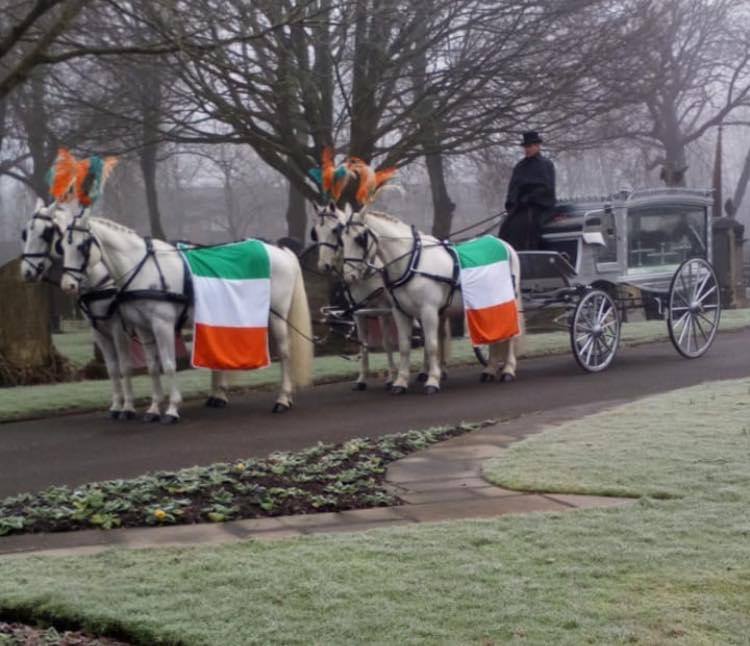
The funeral procession, sometimes called the funeral cortege, holds deep meaning for many people. It marks the final journey of the deceased and gives family, friends and loved ones a quiet moment to travel together, reflect and pay their respects. For some families, this part of the day is an essential part of the funeral service because it creates a visible and respectful tribute to a loved one’s life.
A traditional hearse remains one of the most common choices for funeral transport. These specially designed vehicles are built to carry the coffin with dignity and care. Traditional hearses are often chosen because they offer a formal and respectful appearance that many families feel is right for the occasion.
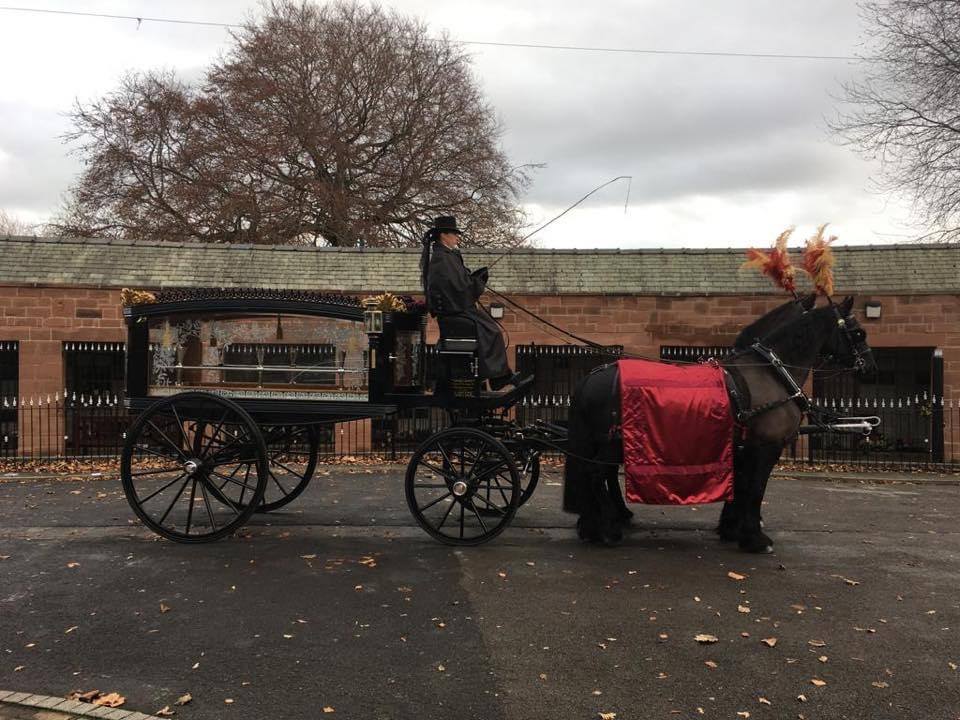
At the same time, some people may wish to choose something more personal. A horse-drawn hearse or horse-drawn carriage can add a unique touch and create a memorable farewell that reflects tradition, elegance and the personality of the person who has died.
Funeral Transport Options
Funeral transport now includes far more than just the hearse. There are many transport options available, and funeral directors can provide a guide to help families decide what will work best for their needs. Funeral cars and limousines are often chosen to carry close family members together, allowing them to travel in comfort and privacy during a difficult time.
These vehicles can be especially helpful when families want to ensure that older relatives, children or those who may feel overwhelmed have a calm and supportive space during the journey. Travelling together also gives family and friends time to support one another before and after the ceremony. For many families, this shared journey becomes an important part of the day.
In some cases, people may wish to personalise the transport further. This could include using vehicles that reflect a loved one’s life, interests or profession, provided the arrangements are suitable and approved. This kind of funeral vehicle can create a fitting tribute that feels more personal, while still maintaining dignity and respect throughout the day.
The Role of Funeral Directors
Funeral directors play an important part in planning funeral transport. A funeral director can explain the types of hearses, limousines and other funeral vehicles available, help families choose the right option, and make sure every detail is handled properly. During such a difficult time, this support can make the planning process feel more manageable.
Funeral directors also help with practical requirements. They can advise on timings, route planning, the number of vehicles needed, access at the funeral venue, and any special requests the family may have. They may also help families find answers to questions around consent, local rules, or the arrangements required if the journey involves a long travel distance or more than one place on the day.
Good funeral directors will take time to understand the needs of the family and the wishes of the deceased. This helps ensure that the transportation reflects the occasion in a respectful and personal way.
Choosing the Right Vehicle
Choosing funeral transport often starts with thinking about the person who has died. Some families want a simple and traditional approach, while others want the transport to reflect the loved one’s life more closely. A traditional hearse may feel right for one family, while another may prefer horse-drawn funeral transport, a modern hearse, or another option that adds a unique touch.
Comfort is another key factor. Family members who are travelling to the ceremony may need quiet, privacy and support, especially if the day involves a long journey. Limousines and funeral cars can provide that comfort and make the day easier for those closest to the deceased.
It is also important to think about appearance and tone. The vehicle should feel appropriate for the funeral service and help create the kind of farewell the family wants. Some families prefer understated transport, while others may want details that help personalise the day and reflect the personality of the person being remembered.
Determining the Number of Vehicles Required
The number of vehicles required will depend on how many people need transport and how the family wants the day to run. Immediate family often travel together in limousines or funeral cars, while other mourners may make their own travel arrangements. It is helpful to decide early who needs a seat in the cortege so that the right number of vehicles can be booked.
This is also the stage where cost considerations become important. Families may need to balance practical needs with budget. Funeral directors can provide clear details about the options available and help families choose transport that meets both emotional and financial needs. Knowing the cost in advance can make it easier to plan the rest of the funeral arrangements.

Planning the Route
The route taken by the funeral procession can be just as important as the vehicles themselves. Some families choose the shortest route between the funeral home, the ceremony and the burial or cremation site. Others may wish the funeral cortege to pass a place that mattered to the deceased, such as a family home, a workplace, a favourite park or another meaningful location.
This personal choice can add real meaning to the day. Passing a familiar place can be a gentle way to honour the loved one’s life and give family and friends a final moment of connection. These details should be discussed in advance so the route, timings and any traffic concerns can be carefully managed.
When planning the route, it is also wise to consider the time of day, the expected journey length and whether there are any access issues at the venues involved. A clear plan helps ensure the day runs smoothly and reduces stress for the family.

Comfort and Accessibility for Mourners
A respectful funeral service should be accessible to everyone who wishes to attend. That means thinking carefully about the needs of mourners, especially elderly family members, disabled guests or anyone who may struggle with longer travel. Comfort should be a key part of planning funeral transport.
Wheelchair access, easy entry into vehicles, nearby drop-off points, and enough time to board and leave the vehicle safely are all important factors. When these needs are considered properly, families can feel confident that more people are able to take part in the ceremony and pay their respects without added worry.
This support can make a great difference on an emotional day. It shows care not only for the deceased, but also for the people left behind.
Floral Tributes and Additional Vehicles
Flowers often play an important part in a funeral. They can reflect love, remembrance and the personality of the person who has died. In some cases, families may need an additional vehicle to carry floral tributes if there are too many to fit comfortably within the main hearse arrangements.
A floral hearse can help ensure these tributes are displayed and transported respectfully. This may be particularly important when the flowers are a major part of the ceremony or when many family and friends have sent tributes. Thinking about this in advance helps avoid last-minute problems and ensures every detail is handled with care.

Travel After the Funeral Service
Funeral transportation planning should not end when the ceremony is over. Many families also need transport to a wake, reception or gathering after the funeral. Ensuring there is a clear plan for travel after the service can make the day feel more joined up and reduce the pressure on close family members.
This is especially important if guests are moving between several places or if some people are unfamiliar with the area. Providing suitable transport or clear guidance through a website, printed order of service, or direct contact with the funeral director can help everyone know where to go and when. This makes the day easier for mourners and allows families to focus on remembrance rather than logistics.
Personalising the Final Journey
Many families now want funeral transport to do more than meet practical requirements. They want it to reflect the person who has died. Personal touches can make the final journey feel more meaningful. This could include choosing a certain type of hearse, selecting vehicles in a preferred style, or arranging a route that passes places linked to important memories.
To personalise a funeral does not mean it has to be dramatic. Even small details can matter. The aim is to create a respectful and fitting tribute that reflects the loved one’s life in a natural way. When done thoughtfully, these arrangements can help family members feel that the funeral truly honours the person they have lost.
Questions to Ask When Choosing Funeral Transport
Before making a final decision, it helps to ask a few important questions. Families may want to know what types of funeral vehicles are available, how many people each vehicle can carry, whether a horse-drawn hearse is possible, and what level of comfort each option can provide. They may also need details about cost, timing, route planning and any special requirements.
It is also sensible to ask what happens if plans change on the day, whether there are backup vehicles available, and how the funeral director will help manage the procession. Having these answers can provide reassurance at a time when many people feel overwhelmed.

Making the Right Choice
There is no single right answer when it comes to funeral transport. The best choice depends on the family, the wishes of the deceased, the style of the funeral service, and the practical details involved. Some families may prefer traditional hearses and limousines. Others may choose horse-drawn funeral transport or other unique options that reflect a loved one’s personality more closely.
What matters most is that the arrangements feel respectful, supportive and appropriate for the day. By considering the vehicle, the number of mourners, the route, accessibility, comfort, cost considerations and the wishes of family members, families can ensure the funeral transport is handled with dignity.
Funeral transport is not simply about moving from one place to another. It is an essential part of saying goodbye. With the right support, careful planning and attention to detail, families can create a fitting tribute that honours their loved one and supports everyone taking part in the journey.
We have a large selection of carriages available, all of which are drawn by our team of beautiful horses and driven by our fully-qualified coachmen. If you would like more information or to discuss your event further, please get in touch.